
Tools and Materials Needed
- Copper winding wire (correct gauge)
- Insulation paper
- Slot wedges
- Varnish
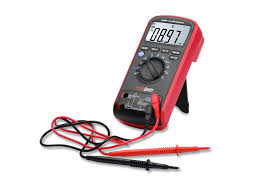
- Multimeter or megger
- Bearing puller
- Coil winding machine
- Heat gun or oven
- Soldering materials
- Insulation tape
- Vernier caliper
Step-by-Step Guide to Rewind a Submersible Motor
1. Disassemble the Motor
Carefully remove:
- Pump coupling
- Bearings
- Rotor
- Stator cover
Mark all parts before removing them so reassembly becomes easier.


2. Record Old Winding Data
Before removing the burnt winding, collect:
- Number of slots
- Coil pitch
- Wire size
- Number of turns
- Connection type (Star or Delta)
This information is very important because the new winding must match the original design.
Important Motor Formula
N_s=\frac{120f}{P}
Where:
- (N_s) = synchronous speed
- (f) = frequency
- (P) = number of poles
Example:
- 50 Hz, 2-pole motor = 3000 RPM
- 50 Hz, 4-pole motor = 1500 RPM
3. Remove the Burnt Coil
Heat the stator slightly to soften the varnish, then:
- Cut the old winding
- Pull out coils carefully
- Avoid damaging stator slots
Clean all slots thoroughly afterward.


4. Insulate the Stator Slots
Insert fresh insulation paper into all stator slots.
Good insulation prevents:
- Short circuits
- Ground faults
- Water damage
For submersible motors, insulation quality is extremely important.
5. Wind New Coils
Use the correct copper wire size and turns count.
The coils should:
- Be evenly wound
- Have tight turns
- Match the original coil dimensions


6. Insert Coils into Stator
Insert the coils carefully into the slots according to the winding diagram.
Secure them using:
- Slot wedges
- Insulation paper
- Lacing cord
Avoid damaging the wire enamel during insertion.
7. Connect the Windings
Connect the coils based on:
- Single-phase configuration
- Three-phase Star connection
- Three-phase Delta connection
Star Connection
V_L=\sqrt{3}V_{ph}
Delta Connection
I_L=\sqrt{3}I_{ph}
Check continuity with a multimeter after connection.
8. Test the Winding
Perform:
- Continuity test
- Insulation resistance test
- Phase balance test
Use a megger to ensure insulation resistance is high enough.
A good submersible motor winding should have strong insulation because water leakage can destroy the motor.
9. Apply Varnish
Dip or coat the winding with insulating varnish.
Benefits:
- Prevents moisture entry
- Improves insulation
- Holds coils firmly
- Reduces vibration
Then bake the stator in an oven to dry the varnish properly.


10. Reassemble the Motor
Reinstall:
- Rotor
- Bearings
- Seals
- Covers
Ensure all seals are tight because submersible motors operate underwater.
11. Final Testing
Run the motor and check:
- Current draw
- Heating
- Noise
- Vibration
- Insulation resistance
If the current is too high or the motor heats excessively, recheck:
- Turns count
- Wire gauge
- Coil connections
Common Causes of Submersible Motor Failure
- Water entering the winding
- Overloading
- Dry running
- Poor insulation
- Wrong rewinding data
- Bearing failure
- Voltage imbalance
Important Rewinding Tips
- Always copy original winding data before removing coils.
- Use high-quality copper wire.
- Never reduce the wire size.
- Replace damaged bearings and seals.
- Use waterproof varnish for submersible motors.
- Test insulation before installation.
Keywords
- Submersible motor rewinding
- Electric motor winding
- Submersible pump repair
- Three phase motor rewind
- Motor insulation testing